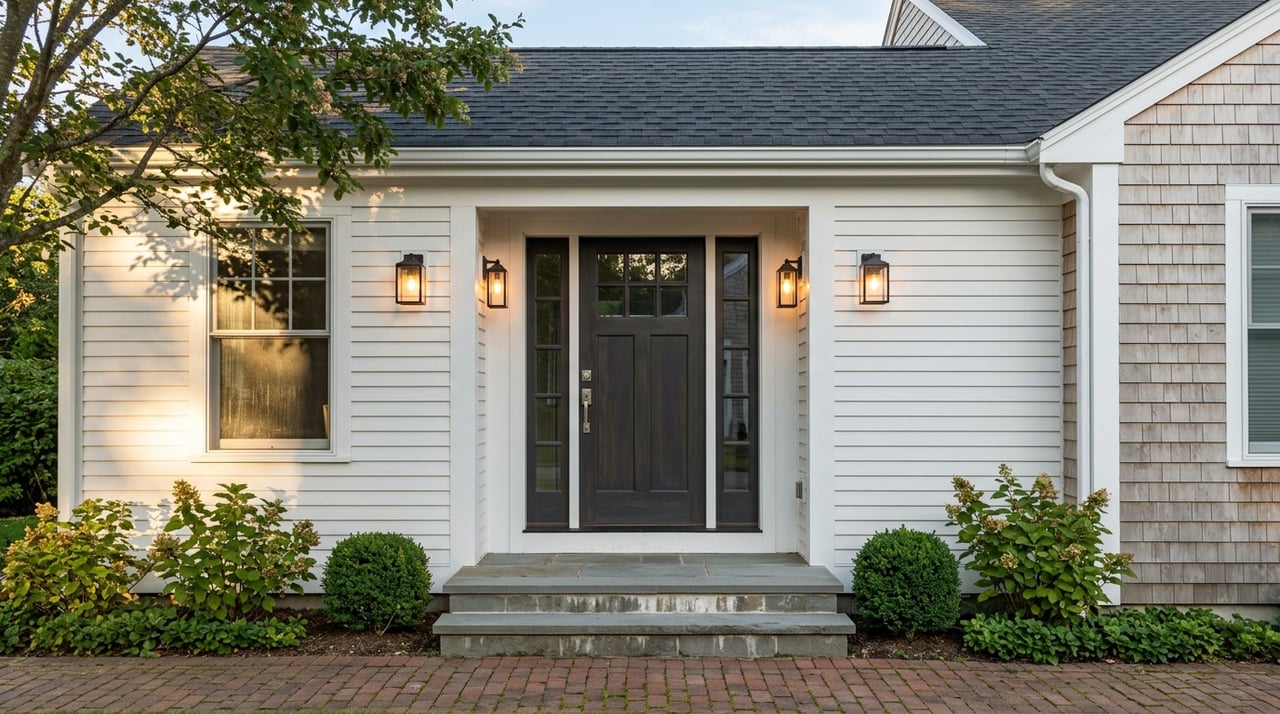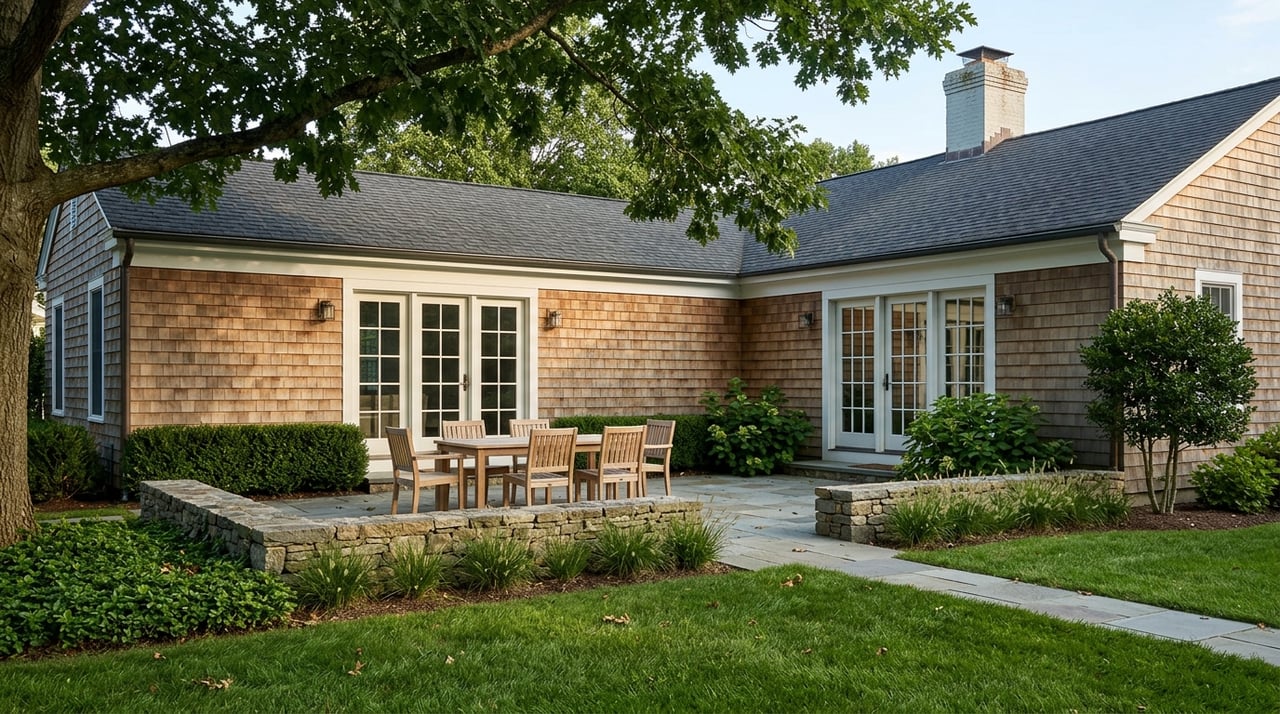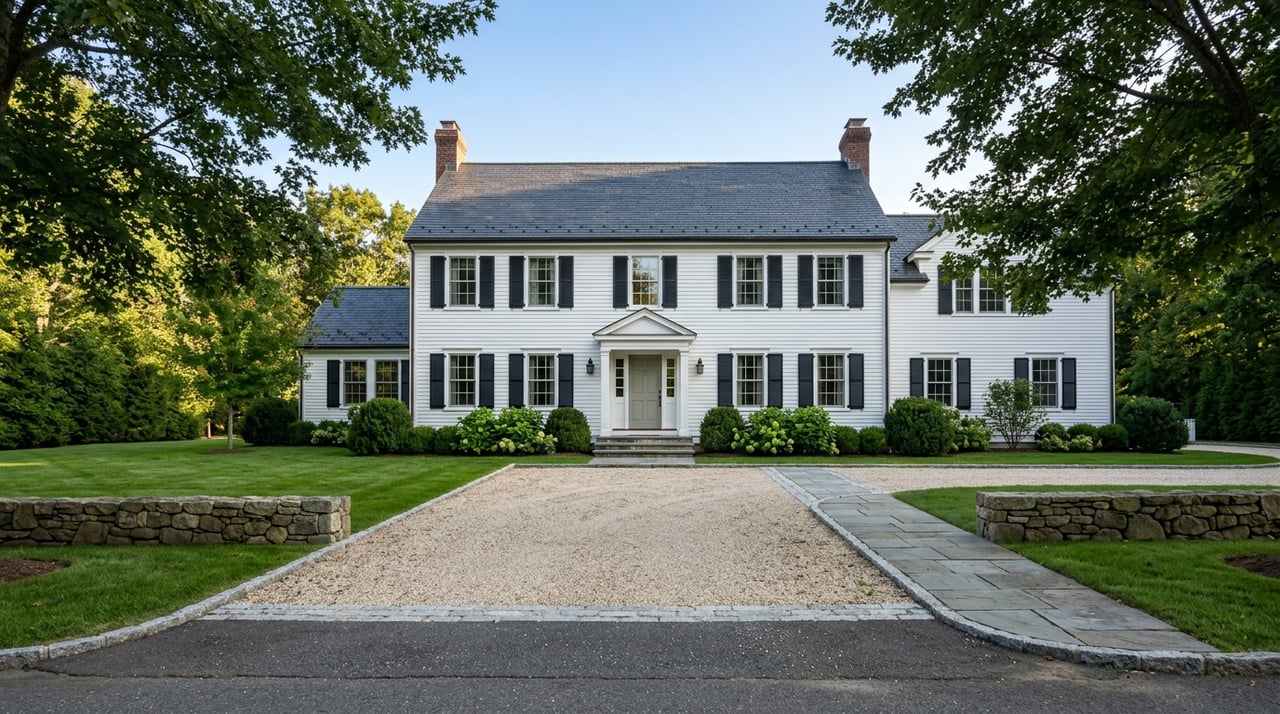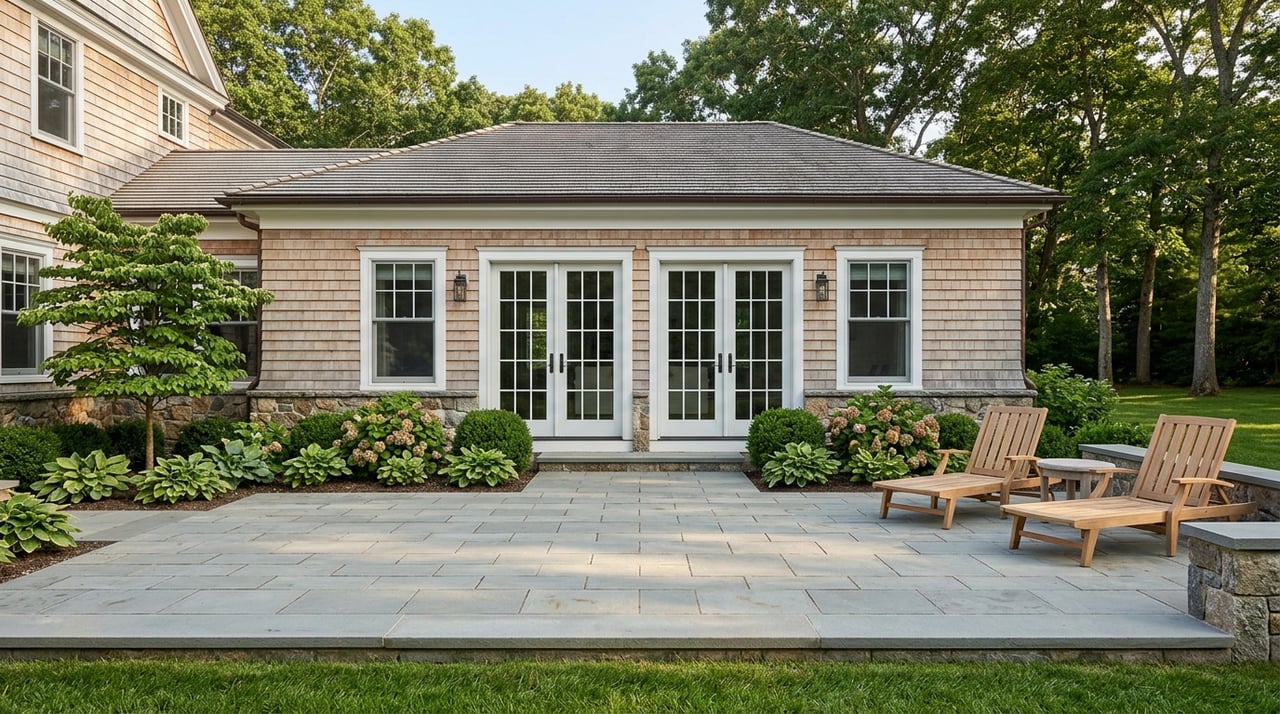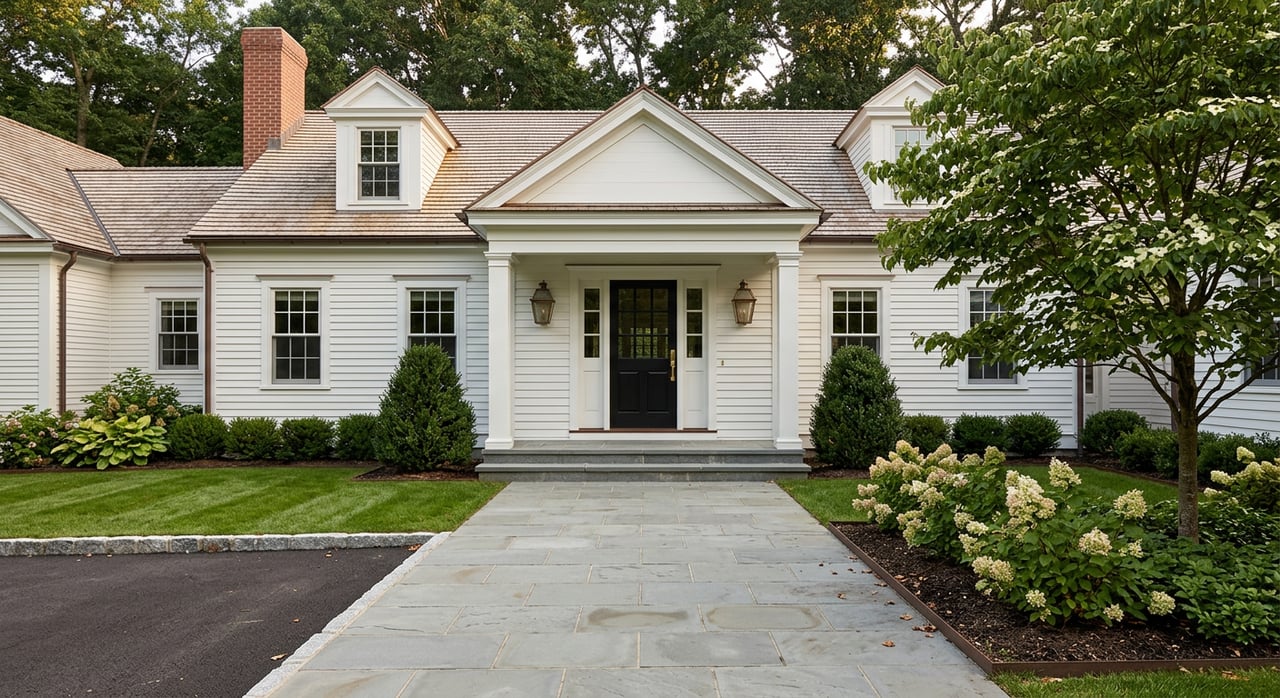
Thinking about listing your Weston estate? Today’s buyers arrive with sharp expectations and a checklist that goes beyond curb appeal. You want to protect your time, avoid last‑minute surprises, and present your two acres in a way that commands attention and confidence. In this guide, you’ll get a clear plan for Weston’s two‑acre zoning, the septic and well steps lenders and buyers expect, how to show land and interiors at scale, and how to price and position for Westport and NYC audiences. Let’s dive in.
What Makes Weston Different
Weston is defined by two‑acre living, privacy, and low density. The town’s Two‑Acre Residential & Farming District sets minimum lot size at two acres, requires a lot shape that can contain a 170' by 200' rectangle, typical road frontage of 170 feet, minimum setbacks (front 50 feet, side 30 feet, rear 100 feet), and caps total building and paved area at 15 percent of the lot. You can confirm these standards in the town code to understand how they affect siting for homes, additions, pools, courts, and drives. See the zoning reference on the town code platform for details: Weston zoning basics.
Commuting is a tradeoff many buyers make for land and privacy. Weston has no Metro‑North station. Most residents drive to Westport’s stations. The town center to Westport is roughly 4 to 6 miles by car, and scheduled New Haven Line trains to Grand Central commonly run about 50 to 75 minutes on the train. You can check driving distance context here: Weston to Westport distance. Buyers often weigh door‑to‑desk time and train parking against the value of acreage and quiet.
On pricing context, Realtor.com shows a median list price for Weston’s 06883 ZIP of about $1,495,000 based on data through December 2025. Use this as a directional benchmark and expect current figures to move with inventory and seasonality.
Pre‑Listing Due Diligence That Builds Confidence
Serious buyers and their lenders focus on septic, well, wetlands, and clear records. Handling these early reduces risk and speeds negotiations.
Septic systems: the must‑do steps
Connecticut regulates on‑site septic under the Public Health Code, with technical standards maintained by the Department of Public Health and local enforcement by health districts. Learn the framework here: CT DPH subsurface sewage standards.
There is no universal statewide rule that every sale includes a septic “certificate.” In practice, most buyers and lenders ask for a diagnostic inspection and pump before closing. A simple, proven plan:
- Pull the town health file for as‑built plans and prior permits.
- Hire a licensed sanitarian or inspector to locate the tank and fields, pump if needed, and prepare a written diagnostic report.
- If issues surface, get quotes for repair or upgrade and coordinate with the local authority, the Aspetuck Health District: Aspetuck Health District services.
- Budget time for permits if repairs are needed. Many sellers schedule this 1 to 3 weeks before listing to avoid closing delays. For additional sale guidance, see this overview from a Connecticut town health resource: Septic and home sales basics.
Private wells: testing and documentation
Connecticut law requires that you provide buyers with educational material about private well testing prior to sale. New wells have specific testing and reporting requirements, and local health authorities may require additional tests if there is reason to do so. Many sellers offer recent bacterial and nitrate test results, document any treatment systems, and share well logs if available. Review the statute here: CT private well requirements.
B100a review when planning changes
If you or a future buyer may add bedrooms or make changes that affect sewage flow or available leach area, CT Public Health Code Section B100a can trigger a local health‑department review. This commonly applies to additions, accessory structures, and some changes of use on septic sites. Gather records of any prior B100a approvals and discuss plans with the health district early. See the DPH reference: B100a and septic reviews.
Wetlands and buildable acreage
Two acres does not always mean two acres of buildable area. Inland wetlands, watercourses, and past conservation approvals can reduce where you can replace a septic field or add hardscape. Pull the Weston GIS map, prior wetlands delineations, and any Inland Wetlands Commission permits before you list. Buyers appreciate clarity on what is usable versus protected.
Surveys, easements, and permits
Order a certified boundary survey if one is not current. Collect recorded easements, rights‑of‑way, and any deed or conservation restrictions. For large lots, confirm tree removal and driveway or culvert permit requirements with the town. Having this file ready helps buyers underwrite confidently and supports premium pricing.
Show Two Acres the Right Way
Large‑lot estates need a presentation plan that shows how the land lives, not just the house.
Land presentation checklist
- Open sightlines. Mow and trim to reveal view corridors, lawns, paddocks, and potential building envelopes.
- Mark access. Flag primary drive and any walking paths to the most valuable features such as a pool site, barn, view, or pond.
- Clarify boundaries. Stake or flag corners and refresh stone walls or gates at the approach. Keep a simple parcel spec sheet with acreage breakdown, septic capacity, and any wetlands overlay available for serious buyers.
- Clean the approach. Repair gravel at the entry, tidy culverts, and remove visible clutter or hazards so the property feels safe and welcoming on arrival.
Photography, aerials, and media buyers expect
Professional, high‑resolution photography plus drone aerials are standard for estate‑level listings. Industry data shows that listings with aerial imagery and video earn more views and inquiries and often sell faster. See an overview of performance stats here: Real estate photography data. Pair aerials with a clear overlay of the parcel or survey so buyers can distinguish total acres, buildable area, and any constrained zones.
Inside, stage for scale. Use appropriately sized furniture, large rugs to anchor big rooms, and define clear “use zones” such as a home office or gym. NAR polling shows staging shortens time on market and can increase perceived value. Focus your budget on the living room, primary suite, and kitchen first. Read more here: NAR report on staging impact.
Messaging for Westport and NYC buyers
Address the commute clearly, including typical door‑to‑train time and how you plan to handle station parking. Emphasize privacy, treed buffers, and the two‑acre minimum, and be specific about usable lawns, pool or pavilion sites, and any barn or paddock infrastructure. Keep your facts crisp: septic‑permitted bedroom count, well yield and recent lab results, and the share of acres affected by wetlands or easements.
Pricing and Offer Strategy on Two Acres
Value drivers that matter
Expect fewer perfect comparables for two‑acre estates. Appraisers commonly adjust for site size and apply surplus‑land considerations when a parcel exceeds typical lot sizes. They also focus on usable or buildable acreage and permitted uses, not just the raw acre count. For unique amenities such as equestrian facilities or extensive hardscaping, document permits and costs and reference the best available market sales. For valuation background, see this appraisal manual overview: Real property valuation concepts.
Contingencies, septic and well, and financing
Some lenders require functioning septic systems and acceptable water quality. If a system is failing or a well is marginal, conventional financing may still be possible but could involve higher costs or escrowed repairs, which can reduce your buyer pool and nudge you toward cash purchasers. Be transparent about known issues and consider pre‑sale repairs if they broaden buyer reach. For a practical look at financing effects, see this summary: Connecticut sale considerations.
Repair now or credit later
If fixes are modest and straightforward, completing them before you list often speeds the deal and lowers appraisal risk. If repairs are more extensive, you can price accordingly, market as‑is to target cash buyers, or negotiate an escrow or closing credit backed by written bids from licensed contractors. Organized documentation helps keep momentum.
A Practical Pre‑Listing Timeline
- Days 0 to 14: Gather documents. Deed, as‑built septic and well records, survey, tax card, recent utility bills, and prior permits. Contact the local authority for files and forms: Aspetuck Health District.
- Days 7 to 21: Schedule septic diagnostics and basic well testing. Allow 1 to 3 weeks to schedule, pump if needed, and receive written results. Time and cost rise if repairs or permits are required. For an overview of typical cost ranges discussed for CT sellers, reference this summary: CT selling and site systems.
- Days 7 to 28: Order or confirm a certified boundary survey and a current title search. Pull GIS and Inland Wetlands records. Once technical documentation is in hand, book your photographer and drone pilot and engage a stager. Photos and video are typically scheduled 1 to 2 weeks before launch. For septic projects that require engineered designs or wetlands review, expect timelines that can extend into months. Review the DPH guidance on process and standards: CT DPH subsurface sewage standards.
Your Estate‑Savvy Team
- Listing agent experienced with Weston and Westport large‑lot sales.
- Licensed sanitarian or septic inspector, and a licensed septic designer or installer.
- Licensed well driller and a CT DPH‑certified laboratory for water testing.
- Licensed land surveyor for a certified boundary survey.
- Wetlands or soil scientist for constrained sites.
- Land‑use or real‑estate attorney for easements or conservation questions.
- Professional photographer and drone pilot, plus a stager who understands scale.
You do not need to overhaul everything to meet today’s buyer. Focus on Weston’s two‑acre facts, get ahead of septic and well questions, show the land’s best moments, and market to the commute and lifestyle your buyers actually live. When the details are clear and the presentation is strong, your estate stands out online and on tour.
If you want a private, data‑driven plan tailored to your property, connect with Pamela Cornfield to book a confidential consultation.
FAQs
What should Weston sellers check first before listing a two‑acre estate?
- Start with septic and well records, a current survey, and any wetlands or conservation documents so buyers and lenders can underwrite confidently.
How do Weston’s two‑acre zoning rules affect my sale?
- They set minimum lot size, setbacks, frontage, and coverage, which influence where additions, pools, and drives can go and help buyers gauge future potential.
Do I need to inspect my septic system before selling in Connecticut?
- While not universally required, most buyers and many lenders expect a recent septic inspection and pump, which can prevent last‑minute repair demands.
How should I present acreage to online buyers?
- Use professional photos, drone aerials with a parcel or survey overlay, and a one‑page spec sheet that separates total acres from buildable and constrained areas.
What if my septic or well needs major work before listing?
- You can repair before launch, price to reflect the scope, market as‑is to cash buyers, or offer an escrow or credit supported by contractor bids and permits.
How do Westport and NYC buyers view the Weston commute?
- Many accept a longer door‑to‑desk time for privacy and land, but they look closely at station access, train times, and parking when comparing towns.