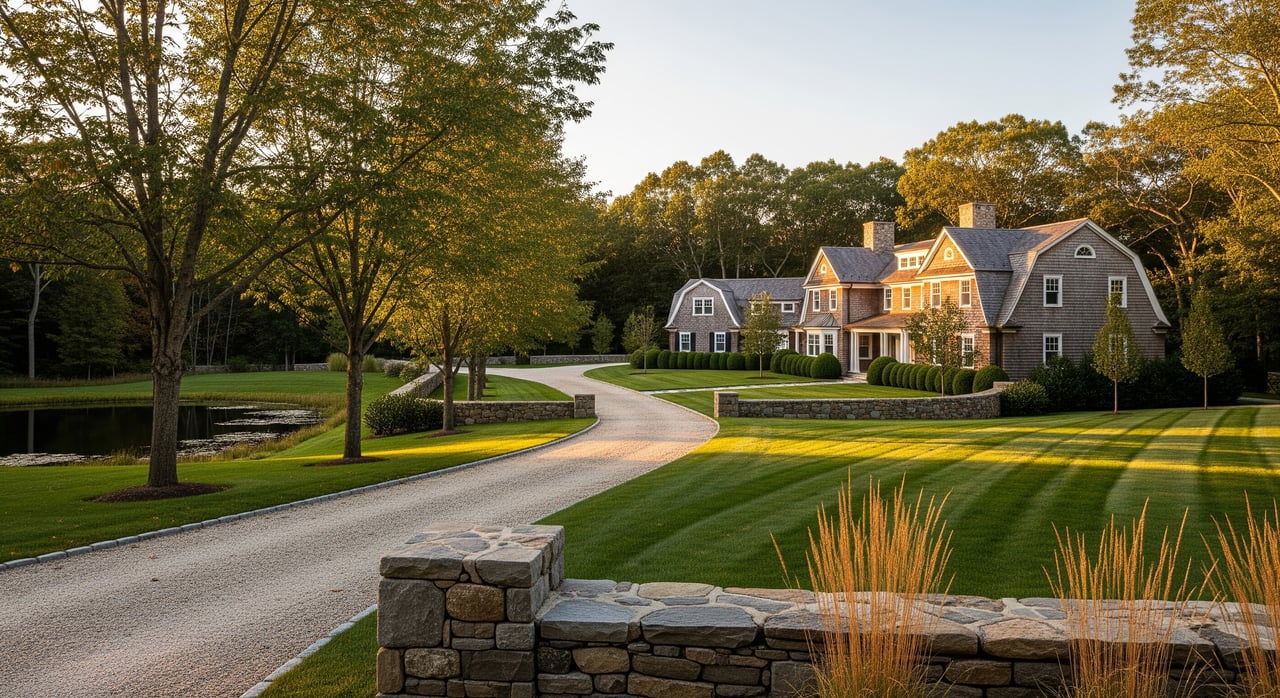
Thinking about buying land or a home in Weston because you want space, privacy, and a calmer pace? You are not alone. Many buyers are drawn to Weston for its rural feel and ask how “two-acre zoning” actually works. In this guide, you will learn what two-acre zoning typically means in Connecticut, how it shapes your site plan and budget, and the exact due-diligence steps to take with Weston’s town officials and qualified consultants. Let’s dive in.
Two-acre zoning explained
Two-acre zoning generally means a residential district where each single-family home must sit on a minimum lot area of about two acres, or roughly 87,120 square feet. The goal is to preserve low-density, rural character by limiting the number of homes per area.
Common objectives of two-acre districts include:
- Preserve open space and scenic character.
- Limit development intensity and traffic.
- Maintain larger yards, privacy, and generous setbacks between homes.
In Connecticut, many towns use single-family districts with minimum lots measured in acres. Two-acre districts are a common tool outside village centers. The specific district names, boundaries, and standards are set locally, so always confirm details with the Town of Weston’s zoning map and regulations for the parcel you are considering.
How rules shape your site plan
Two-acre zoning is more than a single number. Several standards work together to define where you can build and what it will cost. Here is how they typically affect a property in rural Connecticut.
Minimum lot area vs. buildable area
A two-acre minimum sets the total parcel size. The usable, buildable portion can be smaller because of setbacks, wetlands, steep slopes, ledge, and easements. Even on a large lot, site constraints can narrow your options for the house, septic, well, and driveway.
Frontage and lot shape
Many towns require a minimum frontage on a public road, often in the range of 100 to 200 feet. Narrow, flag-shaped, or irregular parcels can meet the acreage requirement but still fall short on frontage. Cul-de-sac and steep lots may need extra review.
Setbacks and yards
Rural districts often require substantial front, side, and rear yards. Typical examples seen in Connecticut include front setbacks of about 30 to 50 feet and side and rear setbacks in the 15 to 50 foot range. Actual figures are set by local rules. Larger setbacks reduce the area where you can place the home and any accessory structures.
Coverage and height
Lot coverage limits control how much of the property can be covered by structures and sometimes paved surfaces. In some towns, coverage calculations include accessory buildings, pools, patios, and driveways. Height limits also apply. These standards help maintain a more open, green feel and can influence home design.
Utilities and infrastructure
In rural two-acre areas, municipal sewers are typically not available. Most homes rely on on-site septic systems. Many properties also use private wells for water, though public water may exist along certain roads. Long driveways and utility extensions can add costs for trenching, conduit, and service connections.
Septic and wells
Septic approval is a critical step. You will work with the local health department or sanitarian, who may require percolation tests and soil evaluations. Septic systems must be set back from wells, property lines, structures, and wetlands. If soils or slopes are challenging, you may need an engineered or advanced treatment system, which increases both upfront and long-term maintenance costs.
Wetlands, watercourses, and stormwater
Wetlands and regulated watercourses can limit where you build and may require permits from the Inland Wetlands Commission. Many projects must also provide stormwater management and erosion control, especially for longer driveways or larger clearing.
Subdivision and variances
Creating new lots or adjusting lot lines is governed by subdivision rules and often involves Planning and Zoning review with public hearings. Lots that do not meet current standards may be nonconforming. Variance requests are discretionary and not guaranteed.
Accessory uses and home occupations
Accessory buildings and limited home occupations are often allowed, but size, placement, parking, and nuisance standards apply. If you are planning a studio, barn, or office, confirm the rules and whether any special permit is needed.
Due-diligence checklist for Weston buyers
Use this step-by-step approach before you rely on lot size alone. Early coordination saves time and avoids surprises.
Start at Town Hall
- Request the zoning map, the parcel’s zoning designation, and the current Weston Zoning Regulations. Ask if any overlays or special districts apply.
- Confirm whether the lot is conforming for minimum area and frontage in its district.
- Ask Planning and Zoning about permitted uses, required setbacks, lot coverage, height limits, and any special permit triggers.
- Speak with the Zoning Enforcement Officer or Building Official about the building permit process and common issues.
- Contact the Health Department or local sanitarian to understand septic approval steps, required tests, and timelines.
- Check with the Inland Wetlands Commission to see if wetlands or regulated buffers affect the site.
- Confirm emergency access and driveway standards with fire and public works, including culvert or road opening permits.
Line up the right experts
- Licensed land surveyor for a boundary survey and to locate easements, rights-of-way, and encroachments.
- Soil scientist or local engineer for perc tests, soil logs, and septic feasibility.
- Wetlands consultant if you suspect regulated areas on or near the lot.
- Civil or site engineer to draft a preliminary site plan showing the home, septic, well, driveway, grading, and erosion controls.
- Septic designer or installer to estimate costs, especially if an engineered system may be needed.
- Architect or builder to scope foundation needs, driveway length and slope, and utility runs, particularly if ledge or steep grades are present.
Documents to gather
- Current deed and a recent title report, including covenants and recorded easements.
- The tax card and assessment history.
- Any existing survey, prior perc tests, septic designs, or well logs.
- Records of prior permits or approvals from Planning and Zoning or Inland Wetlands.
Permits to plan for
- Building permit and inspections.
- Septic and well permits.
- Inland Wetlands permits if work is in a regulated area or buffer.
- Driveway and culvert permits, and possibly a town road opening permit if needed.
Timing to expect
Site evaluations and approvals move in phases. Build in cushion for testing windows and hearing calendars.
- Perc testing, wetland delineation, and septic design can take several weeks to a few months, depending on schedules and seasonality.
- Planning and Zoning or Inland Wetlands public hearings can add weeks to months if required.
- Variances or subdivisions take longer and have uncertain outcomes.
- Seasonal factors matter. Frozen ground, high water tables, or heavy runoff periods can delay soils testing and design work.
Lifestyle and costs on two acres
Two-acre living has real advantages for privacy and outdoor space, along with costs you should plan for.
Privacy and feel
Larger lots generally provide distance from neighbors, room for landscape buffers, and a quiet setting. Actual privacy depends on lot shape, topography, tree cover, and how adjacent parcels are developed.
Upfront and ongoing costs
Longer driveways, septic systems, well drilling, and utility extensions increase upfront costs compared with smaller suburban lots. Foundations on ledgy sites can be more complex. Over time, budget for septic pumping and eventual replacement, driveway plowing and resurfacing, and yard maintenance on a larger acreage. Check how rural factors influence homeowners insurance, including distance to hydrants and fire protection.
Resale considerations
Two-acre properties attract buyers who value space and privacy. Marketability still depends on road access, proximity to commuter routes and services, and whether the buildable area is constrained by wetlands or slopes. Presenting a clear site plan, past approvals, and maintenance records can help future buyers feel confident.
Possible restrictions
Conservation easements or deed restrictions may limit tree removal, fencing, or subdivision. Town rules can also limit the size or placement of accessory buildings or home occupations. Confirm any restrictions before you plan major improvements.
Smart questions for Weston officials
Use these prompts to focus your conversations with town staff:
- What is the parcel’s official zoning district and the relevant sections of the Weston Zoning Regulations?
- What are the minimum lot area, frontage, setbacks, height limits, and coverage for this district?
- Are there overlay districts, scenic corridors, or conservation easements that affect this parcel?
- Have there been recent amendments to zoning or accessory dwelling rules that I should know about?
- Is the property in a septic moratorium area or subject to any health district constraints?
- Do town records show wetlands or regulated watercourses on or near the parcel, and what buffer distances apply?
- Which permits will I need for a single-family home, accessory structures, or a new driveway, and what are the typical timelines and fees?
- Who are the appropriate contacts and how do I schedule a pre-application site meeting?
Partner with a local advisor
A two-acre lot in Weston can deliver the privacy and setting you want, but the path to permits and construction is highly site specific. The most successful buyers coordinate early with town officials and assemble an experienced team to evaluate soils, wetlands, setbacks, and utilities before finalizing plans or pricing.
If you are weighing properties in Weston or nearby Gold Coast towns, you can streamline decisions with discreet, process-driven guidance. For private help evaluating a lot or planning a purchase, connect with Pamela Cornfield to book a confidential consultation.
FAQs
Can I build anywhere on my two-acre lot in Weston?
- Not necessarily. Setbacks, wetlands, well and septic separations, easements, slopes, and ledge can limit your buildable footprint and dictate where the house and driveway go.
Will a Weston two-acre lot have public sewer or water?
- In rural two-acre areas, properties typically rely on private wells and on-site septic systems. Confirm available utilities for the specific road with the town and local providers.
Can I subdivide a two-acre parcel in Weston later?
- Subdivision depends on minimum lot rules and subdivision regulations. A two-acre parcel is unlikely to split into two buildable lots unless specific conditions allow it, so confirm with Planning and Zoning.
Are accessory apartments or home offices allowed on two acres in Weston?
- Accessory uses are often allowed with limits on size, placement, parking, and intensity. Ask the Zoning Enforcement Officer about current accessory dwelling and home occupation rules.
How do wetlands affect a two-acre site in Weston?
- Wetlands and regulated buffers can reduce buildable area and may require permits from the Inland Wetlands Commission. A wetlands delineation is the first step if any are suspected.
How do I know a septic system will be approved on my lot?
- Approval is based on percolation tests and a site evaluation by the local sanitarian or a licensed soil scientist. Challenging soils may require engineered systems with higher costs and maintenance.
