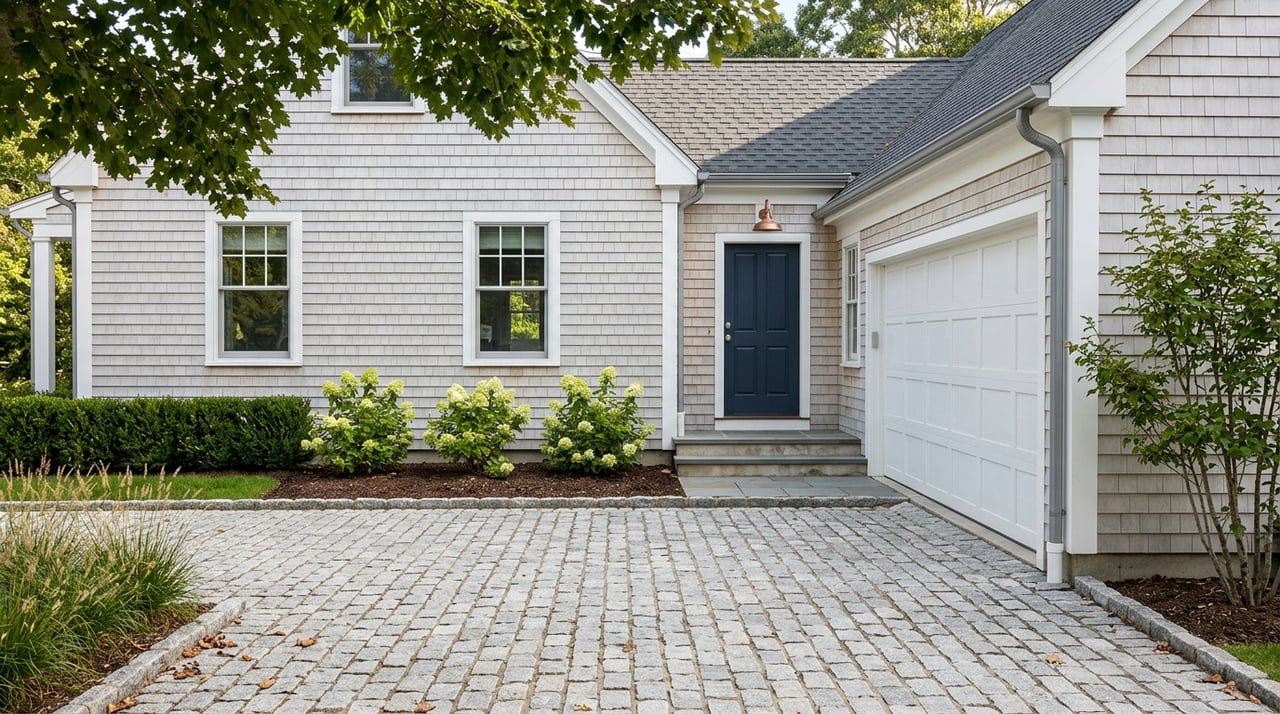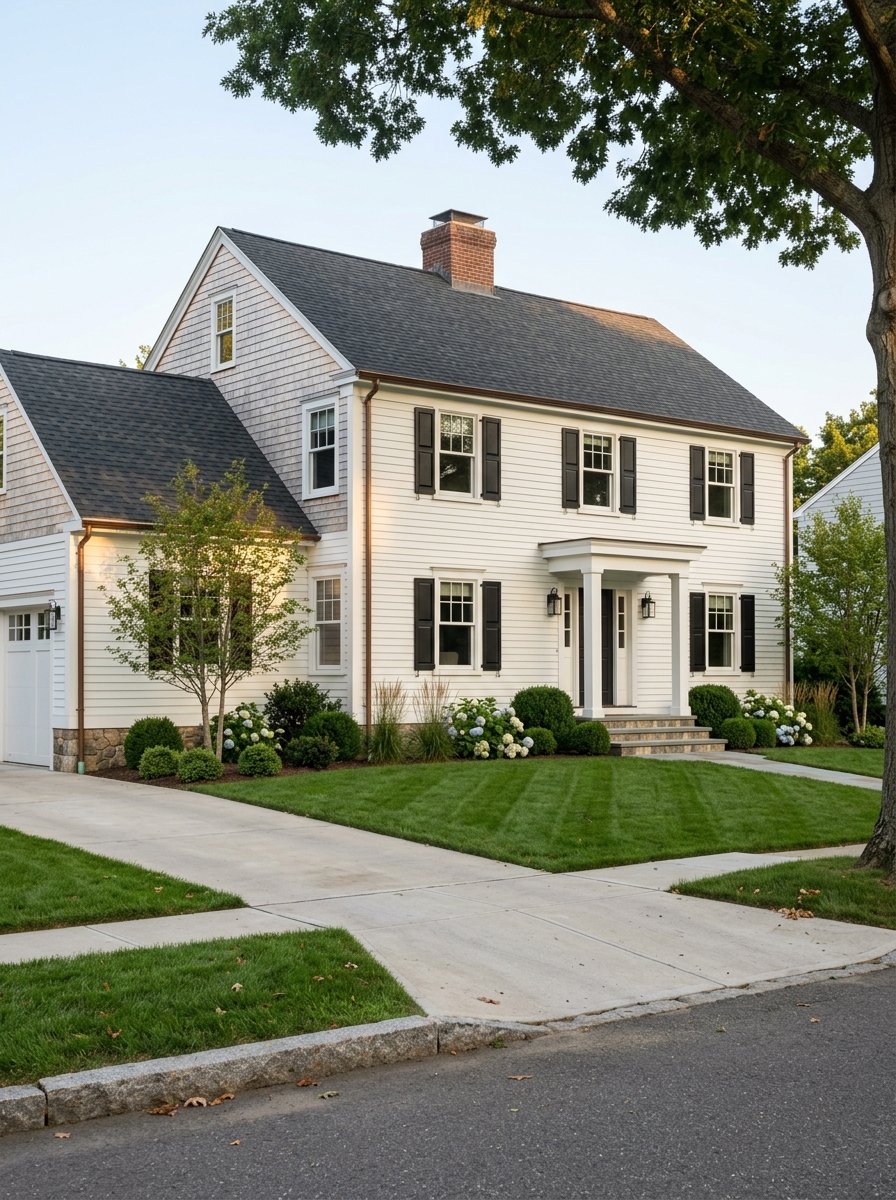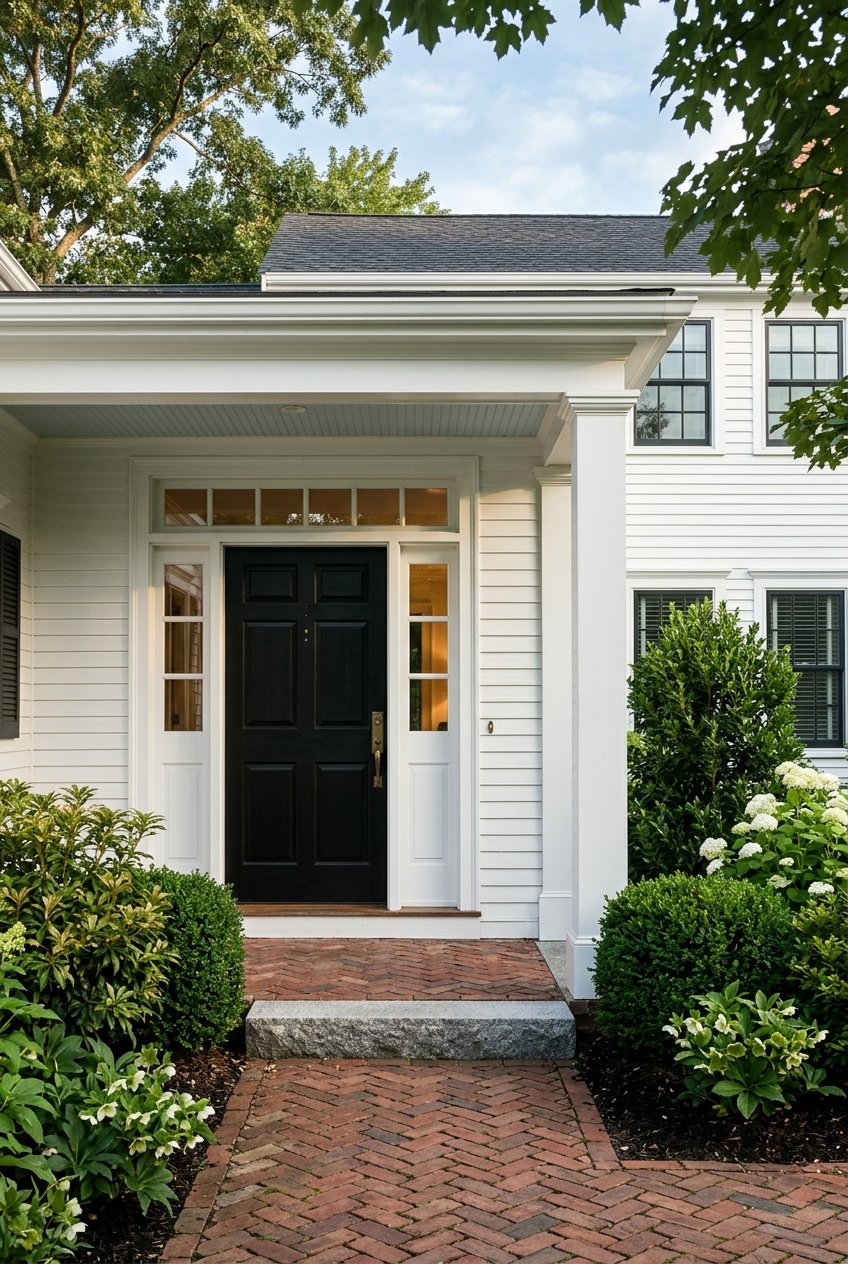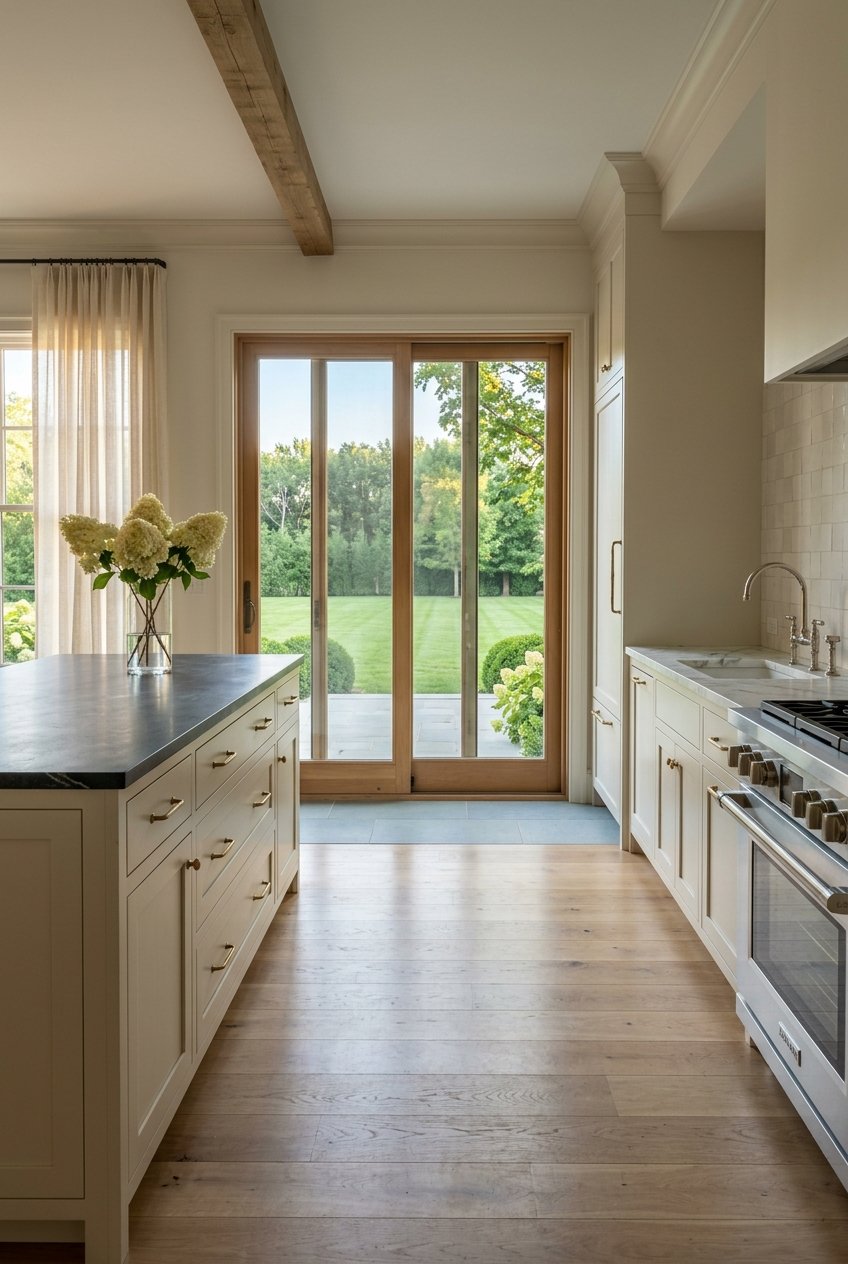
If you are shopping for a luxury home in Westport, style matters more than you might think. Two homes at a similar price point can offer very different experiences based on architecture, setting, renovation flexibility, and long-term upkeep. This guide will help you understand the luxury home styles you are most likely to see in Westport, what makes each one appealing, and what questions to ask before you move forward. Let’s dive in.
Why home style matters in Westport
Westport’s luxury market is not defined by one look. The town’s housing fabric includes colonial homesteads, a Victorian maritime legacy, country estates, seaside cottages, and comfortable suburban neighborhoods, with many single-family homes now sitting on 1- and 2-acre lots.
That mix reflects how Westport grew over time. It evolved from an agrarian settlement into a river-port community and later into a coastal suburban town with stronger ties to New York City after commuter rail expanded access. As a result, you can find preserved historic homes, updated period properties, and newer custom builds in the same market.
For buyers, that means architecture is not just about curb appeal. In Westport, style often shapes layout, maintenance needs, renovation options, and even how a property fits your day-to-day lifestyle.
Westport luxury market at a glance
Westport offers a strong owner-occupied housing base, with an owner-occupied rate of 87.1% and a median owner-occupied home value of $1,245,200, according to Census QuickFacts cited by the town. That baseline helps explain why buyers often compare Westport closely with other Fairfield County and Gold Coast communities.
The town also describes itself as a live-work-play community on Long Island Sound with access to I-95, U.S. 1, the Merritt Parkway, Metro-North, Amtrak, beaches, arts venues, downtown, and Saugatuck. For luxury buyers, that combination helps support demand across several home styles rather than just one dominant category.
Colonial homes in Westport
Why Colonials are so common
Colonials sit at the heart of Westport’s luxury identity. The town links part of its early 20th-century building boom to the popularity of Colonial Revival, and the Historic Resource Inventory shows many examples on established streets such as Beachside Avenue, Kings Highway North, and Washington Avenue.
If you are drawn to classic New England architecture, this style will likely feel familiar. Colonial and Colonial Revival homes in Westport often feature symmetrical facades, formal room organization, and a more traditional exterior appearance.
What buyers should know
In Westport, “Colonial” is best understood as a broad family of related styles. You may see early Colonial-era homes, Federal and Greek Revival influences, 1920s and 1930s Colonial Revivals, Dutch Colonial Revival homes, and later traditional rebuilds that borrow from older forms.
That variety matters because two homes with a similar label may live very differently. One may offer original detailing and a more formal floor plan, while another may have larger modern rooms, newer systems, and more recent additions.
Who this style suits
Colonials often appeal to buyers who value timeless design, a strong sense of place, and architecture that feels rooted in Westport’s historic fabric. They can be a strong fit if you want a more classic layout and are comfortable evaluating how much of the home is original versus updated.
Farmhouses and modern farmhouse homes
Westport’s farmhouse roots
Farmhouses and vernacular farmhouse forms also play an important role in Westport’s housing history. The Historic Resource Inventory identifies farmhouse examples, especially in areas such as Greens Farms and Kings Highway North.
These homes often feel less formal than a Colonial. Their appeal usually comes from a simpler New England character and a more relaxed relationship between house and land.
New construction interpretations
Farmhouse style is not limited to historic properties. Westport’s current design community continues to reinterpret farmhouse architecture through modern farmhouse and contemporary versions of traditional forms.
For buyers, this creates an interesting choice. You may be comparing a true older farmhouse with a newer home that borrows farmhouse cues like gables, wide porches, and a more casual layout while offering newer construction convenience.
What to evaluate
When you consider farmhouse-style homes, look past the label. Ask whether the home is a historic example or a newer interpretation, and consider how that affects systems, room flow, and future updates.
Waterfront contemporaries and coastal modern homes
A different kind of luxury
Westport’s shoreline introduces a broader architectural mix. In areas such as Compo/Owenoke and along Soundview Drive, the Historic Resource Inventory includes Colonial Revival, Modern Colonial, Contemporary Vernacular, Craftsman, summer cottage, and Tudor Revival examples.
That means waterfront luxury in Westport is not limited to one visual formula. You may see everything from older cottage-rooted properties to more recent homes designed around light, views, and a more open indoor-outdoor feel.
What buyers often love
The appeal of a waterfront contemporary is often practical as much as aesthetic. These homes may offer plans that support natural light, water views, updated systems, and a more casual coastal rhythm than a formal traditional house.
If your priority is how a home lives day to day, this category can be especially attractive. It often suits buyers who want visual openness and a strong connection to the setting.
The extra lens to use
For shoreline and near-water homes, style should never be the only filter. Westport’s floodplain information directs buyers to flood maps, flood insurance resources, and FEMA map updates anticipated in fall 2026, and the town’s annual floodplain management report notes that maintaining the program helps residents receive a 10% reduction in flood insurance.
In practical terms, a waterfront purchase should be evaluated through elevation, drainage, storm exposure, and insurance alongside architecture and finish level.
Beach cottages and historic shoreline homes
Why they are distinctive
Westport’s coastal history helps explain the charm of its cottage-style homes. The town describes Compo Beach as a cottage resort area with bungalows and a yacht basin, while Beachside Avenue evolved into an estate corridor.
That history still shows up in today’s market. Buyers may encounter older summer cottages, bungalow-influenced homes, and renovated shoreline properties that preserve a more casual architectural character.
What to ask before buying
These homes can be highly appealing because they feel specific to Westport’s coastal past. At the same time, they may come with more tradeoffs around lot size, expansion potential, visible exterior changes, or flood-related considerations depending on location.
Other luxury styles worth knowing
Westport’s luxury inventory also includes Tudor Revival, Cape, Shingle Style, Craftsman, Queen Anne, Italianate, Spanish Colonial Revival, and Mediterranean Revival homes. These styles may be less common than Colonials, but they remain relevant because they signal different construction eras and ownership considerations.
For example, Shingle Style and Queen Anne homes may involve more complex roofs and detailing. Tudor Revival homes can bring masonry and trim considerations, while Cape and Craftsman homes may offer more efficient layouts and a smaller-scale feel than a large formal Colonial.
Historic districts and renovation rules
Why designation matters
If you love historic homes, you also need to understand Westport’s preservation framework. The town says it has 7 local historic districts and 22 regulated local historic properties.
Exterior work visible from a public way in a local historic district or on a local historic property requires a Certificate of Appropriateness before a building permit can be issued. The town also notes that changes can still be made, but they must be compatible with the property’s historic character and district context.
What this means for buyers
This matters most when you are considering Colonials, older farmhouses, or waterfront cottages within a district or designated property area. The character that supports long-term appeal can also bring more oversight for siding, windows, roofs, additions, and visible outbuildings.
A smart approach is to evaluate style and rules together. A beautiful house may still be the wrong fit if your renovation goals do not align with the property’s designation.
How to choose the right style for you
The best luxury home style in Westport depends on how you want to live. A formal Colonial, a farmhouse on acreage, a renovated beach cottage, and a waterfront contemporary can all be compelling, but they serve different priorities.
As you compare options, focus on a few key questions:
- Is the home’s appeal tied to original detail, views, walkability, or newer construction convenience?
- Is the property in a local historic district or a regulated local historic property area?
- Does the setting introduce flood-zone or coastal exposure considerations?
- Is the architecture an authentic period home or a newer interpretation of Westport’s traditional forms?
- How much flexibility do you want for future updates?
Those questions can bring clarity quickly. They help you move beyond broad style labels and assess whether a home fits your goals, timeline, and comfort level.
A practical buyer mindset for Westport
In Westport, luxury is layered. A home’s architecture often tells you something about its era, lifestyle, maintenance profile, and renovation path long before you look at finishes or square footage.
That is why style is such a useful starting point for your search. When you understand what each type of home tends to offer, you can make sharper comparisons and avoid wasting time on properties that do not fit how you want to live.
If you want a clear, discreet strategy for narrowing your options in Westport, Pamela Cornfield can help you evaluate style, setting, and long-term fit with the local insight that luxury buyers need.
FAQs
What luxury home styles are most common in Westport?
- Westport buyers commonly see Colonial and Colonial Revival homes, farmhouses, waterfront contemporaries, beach cottages, and a smaller mix of Tudor Revival, Cape, Shingle Style, Craftsman, Queen Anne, Italianate, Spanish Colonial Revival, and Mediterranean Revival properties.
What should buyers know about historic homes in Westport?
- If a Westport home is in a local historic district or is a regulated local historic property, visible exterior work may require a Certificate of Appropriateness before a building permit can be issued.
What makes Colonial homes in Westport different?
- Colonial homes in Westport often reflect a range of related styles, including older Colonial-era houses, Colonial Revival homes from the 1920s and 1930s, and newer traditional homes inspired by those earlier forms.
What should buyers consider with waterfront homes in Westport?
- Buyers should look beyond style and review elevation, drainage, storm exposure, flood-zone conditions, and insurance factors in addition to views, layout, and finishes.
Are modern farmhouse homes common in Westport?
- Westport has both historic farmhouse examples and newer modern farmhouse interpretations, so buyers should confirm whether a home is an original period property or a newer build using traditional design cues.
Why does architecture affect home value in Westport?
- In Westport, architecture can influence value because it often signals a specific lifestyle, maintenance profile, renovation flexibility, and relationship to historic or coastal conditions.