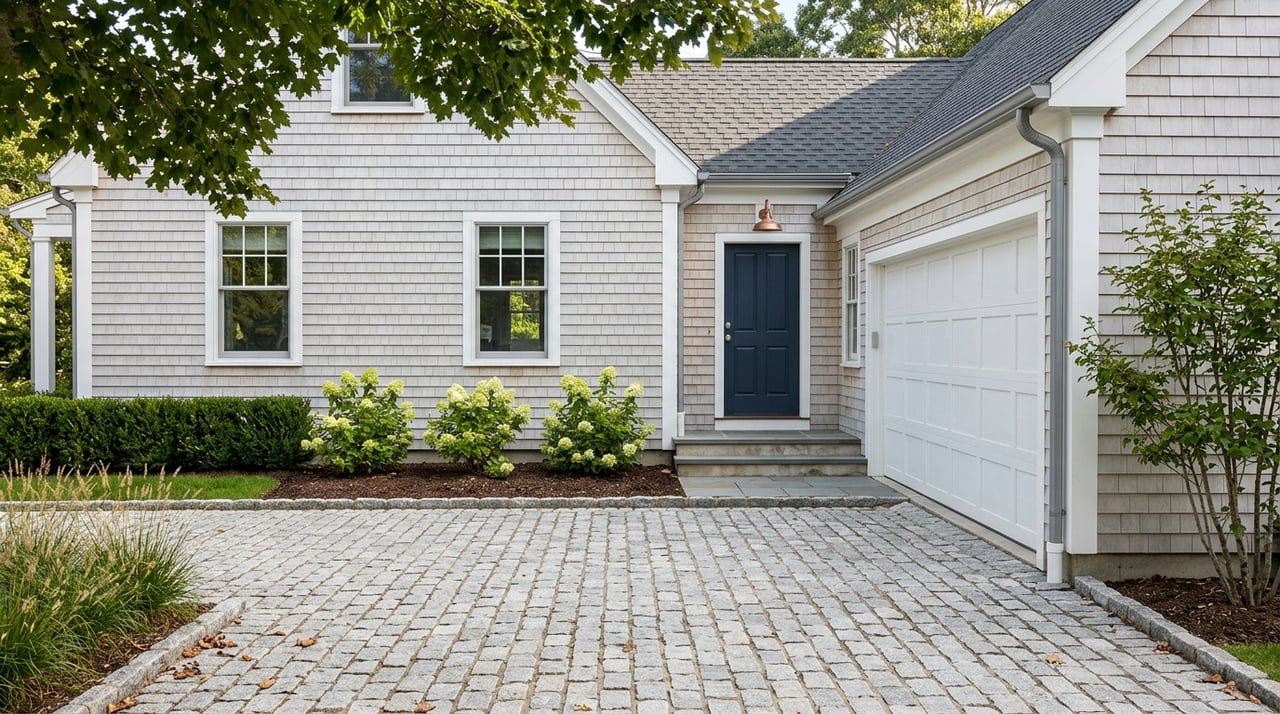
If you are thinking about selling near Fairfield Beach, you are stepping into a market that moves fast, but not always in the way sellers expect. Coastal homes can attract strong demand, yet buyers in this price range tend to look past the view and focus on condition, paperwork, parking, and flood-related details. If you prepare for those questions early, you can protect your pricing, reduce friction, and position your home more effectively. Let’s dive in.
Why Fairfield Beach is its own market
Fairfield remains a strong seller’s market overall. As of late April 2026, Zillow reported an average Fairfield home value of $968,058, a median sale price of $958,229, homes going pending in about 8 days, and a median sale-to-list ratio of 1.021. Connecticut’s June 2026 economic update also showed tight statewide inventory at 2.2 months of supply, with homes selling for 102.7% of list price on average in April.
But Fairfield Beach operates on a different price plane than the town as a whole. Realtor.com’s neighborhood snapshot showed a median listing price of $2,149,500, a median sold price of $1,304,500, $676 per square foot, 24 homes for sale, and 34 median days on market, with inventory down 35.14% year over year. That gap matters because it suggests buyers are comparing very specific coastal options, not simply buying into Fairfield-wide averages.
For you as a seller, that means your home should be valued against the closest shoreline and beach-area comparables. A broad town average can miss the premium for beach proximity, but it can also miss the discounts buyers apply for flood exposure, deferred maintenance, limited parking, or dated outdoor spaces. In this micro-market, nuance matters.
Price from comps, not optimism
In a market with low inventory, it is tempting to aim high and expect buyers to chase. Sometimes they do, especially when a home is turnkey and well-positioned. Still, Fairfield Beach’s spread between median listing and median sold prices is a useful reminder that aspirational pricing can create drag, even when demand is healthy.
Today’s buyers are paying attention to the full package. They are not only asking how close the home is to the water. They are asking whether the layout works for summer living, whether the outdoor space feels usable, whether guests can park easily, and whether the home comes with the documentation needed for a smooth transaction.
A smart pricing strategy starts with recent closed sales in the immediate coastal area, adjusted for condition, lot utility, updates, and shoreline features. If your home presents as a polished, low-friction coastal property, you may have more room to push value. If buyers will need to solve for permits, insurance questions, or layout compromises, your pricing should reflect that reality from day one.
What beach-area buyers notice first
In many neighborhoods, curb appeal leads the conversation. Near Fairfield Beach, daily usability often matters just as much. Buyers want to picture how the home functions during the busiest part of the year, not just how it looks in listing photos.
That is especially true because Fairfield’s beach access rules make parking a practical issue. Seasonal and temporary parking permits are required for town beaches and marinas from the Saturday before Memorial Day through Labor Day. Jennings Beach may also require permits on weekends starting the first weekend in April, and daily passes are offered only at Jennings Beach and Penfield Pavilion.
If your property is walk-to-beach, features like off-street parking, guest parking, storage for bikes and beach gear, and easy entry from outdoor spaces should be treated as meaningful selling points. These are not minor details. In this market, they affect how buyers judge convenience and value.
Features that can strengthen your positioning
- Updated, move-in-ready interiors
- A layout that supports indoor-outdoor living
- Functional outdoor entertaining space
- Off-street and guest parking
- Storage for beach equipment
- Documented improvements and renovations
- Clear records for any shoreline-related structures
Turnkey matters more near the water
Buyers shopping in a high-priced coastal market often want simplicity. They may accept a premium for a home that feels ready to enjoy immediately, especially during spring and summer. That does not mean every home needs a full renovation before listing, but it does mean presentation and maintenance carry extra weight.
Focus on the areas that support actual use. Clean, bright interiors, easy flow to patios or decks, practical mudroom or storage areas, and well-maintained exterior spaces can help buyers see the home as a complete coastal property rather than a project. Small issues that might be overlooked elsewhere can feel more important here because buyers are already thinking about weather exposure, upkeep, and insurance.
This is also where documentation helps. If you have upgraded windows, improved drainage, elevated systems, replaced roofing, or made other resilience-minded improvements, keep those records organized. They may help answer buyer questions before concern turns into hesitation.
Get flood and shoreline documents ready early
For many Fairfield Beach sales, the paperwork is part of the product. Connecticut DEEP regulates work in tidal wetlands and in tidal, coastal, or navigable waters, and certain new construction requires an individual coastal permit. DEEP also notes that shoreline erosion and flooding are dynamic, and that shoreline flood and erosion control structures are strictly regulated and discouraged.
Before your home hits the market, gather the documents a serious buyer is likely to request. The state’s coastal property guidance recommends checking FEMA flood zones and flood maps, confirming insurance responsibilities, contacting the town about zoning and permitting, and reviewing land records for prior notices, site plans, and survey maps.
If your property has any dock, bulkhead, seawall, stairs, boardwalk, or other shoreline-related feature, buyers may want to know when it was installed, whether approvals exist, and whether there are any outstanding issues. Preparing those answers in advance can save time and support confidence.
Documents worth assembling before listing
- Current survey, if available
- Flood-zone information
- Elevation or mitigation records, if applicable
- Flood insurance information and history
- Permits or approvals for docks, seawalls, bulkheads, stairs, or boardwalks
- Site plans and survey maps in your records
- Documentation for major renovations or exterior improvements
Be clear about flood insurance questions
Flood-zone status is one of the first things many buyers will ask about in a beach-area transaction. FEMA states that National Flood Insurance Program requirements apply in Special Flood Hazard Areas, which are areas with a 1 percent annual chance of flooding. The Consumer Financial Protection Bureau also notes that if a mortgaged property is in a designated Special Flood Hazard Area, flood insurance is generally required, and sellers must inform the new owner of that requirement.
You do not need to over-explain or create alarm. You do need to be factual, organized, and ready. When buyers understand the property’s flood-zone context and see that you have handled the paperwork responsibly, they are better able to assess the opportunity without feeling surprised late in the process.
Market the lifestyle buyers can actually use
Beach-area marketing works best when it is grounded in function, not just atmosphere. Beautiful photography matters, especially in a luxury coastal setting, but serious buyers will quickly move from visual appeal to practical questions. They want to know how the home lives day to day.
That means your marketing should highlight more than proximity to the shoreline. It should show how the property supports summer routines, year-round ownership, guest flow, storage, parking, and outdoor enjoyment. A deck is more compelling when buyers understand how it connects to the kitchen, yard, or entertaining spaces. A walk-to-beach location is more compelling when parking and access realities are explained honestly.
In this segment of the market, polished presentation and precise information work best together. The goal is not just interest. The goal is qualified interest from buyers who understand the home and are prepared to move with confidence.
Why local coastal strategy matters
Selling near Fairfield Beach is not the same as selling elsewhere in town. The pricing is different, the buyer questions are different, and the due diligence is often more detailed. A well-run sale usually depends on reading the micro-market correctly, preparing the coastal documentation early, and presenting the home as both desirable and easy to understand.
That is where experienced local representation can add real value. Interpreting shoreline paperwork, anticipating lender and insurance questions, and positioning your home against the right beach-area comp set can make a meaningful difference in both your launch strategy and your outcome.
If you are considering a sale and want a polished, data-driven plan for your Fairfield Beach-area home, Pamela Cornfield can help you prepare, position, and market your property with the discretion and detail this segment demands.
FAQs
How should you price a Fairfield Beach-area home?
- Use recent comparable sales from Fairfield Beach or the closest relevant shoreline micro-market, not broad Fairfield-wide averages alone.
What documents should you gather before selling a Fairfield Beach-area home?
- Start with flood-zone information, surveys, insurance records, site plans, renovation records, and permits or approvals for any shoreline-related structures.
Do buyers ask about flood insurance for Fairfield Beach-area homes?
- Yes. If the property is in a designated Special Flood Hazard Area and the buyer has a mortgage, flood insurance is generally required.
Why does parking matter when selling near Fairfield Beach?
- Fairfield’s beach permit rules make off-street and guest parking more important because buyers often view parking as part of daily beach usability.
What do buyers look for in a Fairfield Beach-area home today?
- Many buyers focus on turnkey condition, practical indoor-outdoor flow, usable exterior space, parking, storage, and clear documentation.
Do shoreline structures need approvals in Fairfield Beach-area sales?
- Buyers often want to confirm whether items like docks, seawalls, boardwalks, stairs, or bulkheads were authorized and whether any issues remain outstanding.
